Comparisons|
COSMO JrTrack 5 vs Gabb Watch 3e (2026): Which Kids Watch Wins?
COSMO JrTrack 5 vs Gabb Watch 3e: we compare GPS accuracy, distraction-free design, camera, music, battery, and cost to help you pick the right kids smartwatch.
A detailed head-to-head comparison of the Gabb Watch 3e and Bark Watch -- two safety-first kids smartwatches with very different approaches to keeping your child protected.

Gabb Watch 3e
$229.99· 3.5/5 rating
Affiliate Disclosure: This article contains affiliate links. If you purchase through our links, we may earn a small commission at no extra cost to you. This helps support our site and allows us to keep testing products for families like yours. All opinions are 100% our own -- we purchased both watches with our own money and have no sponsorship relationship with Gabb or Bark.
Update (August 26, 2026): On August 18, 2026 Bark replaced its Schok-built watch with a new model on Samsung Galaxy Watch8 hardware — 5ATM swim-proofing, a sharper round display, and no camera at all. Our hands-on testing covers the previous model; this comparison notes inline where the new hardware changes the answer. Details in our Bark Watch review.
If you are deciding between the Gabb Watch 3e and the Bark Watch, here is the fast answer: both watches share the same distraction-free philosophy -- no games, no apps, no internet browser -- but they get to "safe" through two completely different routes. The Gabb Watch 3e achieves safety by subtraction, stripping the watch down to calling, texting, and GPS tracking with nothing else. The Bark Watch achieves safety by intelligence, layering AI-powered content monitoring on top of a similar feature set so every text, photo, and video is scanned for concerning content before it becomes a problem.
Choose the Gabb Watch 3e if your child is on the younger side (ages 5 to 8), you want the absolute simplest device possible, you love the idea of wireless charging, and you do not need content monitoring or a camera. The Gabb Watch has the lower monthly plan on a contract, though at $229.99 plus a $30 activation fee it is no longer the cheaper watch upfront.
Choose the Bark Watch if your child is 7 to 11, you want AI content monitoring that scans messages and photos for cyberbullying, predatory language, or other red flags, and you want -- or already use -- Bark Premium for whole-family device monitoring. The Bark Watch's plan costs more per month than Gabb's contract plans, but you get significantly more safety technology for your money.
For a broader look at how both watches compare to the full field, check out our best kids smartwatches for 2026 ranking.
Before we dig into the details, here is a side-by-side look at what you get with each watch.
| Feature | Gabb Watch 3e | Bark Watch |
|---|---|---|
| Price | $229.99 | $169 (or $7/month for 24 months) |
| Display | 1.41" touchscreen | 1.6" touchscreen (240 x 240) |
| Camera | None | None (current model; the previous Schok version had 5MP) |
| Voice Calls | Yes (4G LTE via Gabb Wireless) | Yes (4G LTE via Bark Wireless) |
| Video Calls | No | No |
| Text Messaging | Preset, keyboard, emoji, speech-to-text | Preset + custom text |
| Content Monitoring | None | AI-powered (texts, photos, videos) |
| GPS Tracking | Every 15 minutes (manual refresh available) | Real-time, geofencing, scheduled check-ins |
| Battery | 500 mAh (14-18 hours) | 325 mAh (current model; the Schok version was 700 mAh / 18-22 hrs) |
| Charging | Wireless (Qi-compatible) | Magnetic USB cable (proprietary) |
| Water Resistance | IP68 | 5ATM + IP68 (swim-proof) |
| Glass | Corning Gorilla Glass 3 | Standard |
| SOS Button | Yes | Yes |
| Games / Apps | None | None |
| Step Counter | Yes (basic) | Yes (basic) |
| Contacts | Up to 100 approved | Parent-approved only |
| Target Age | 5-12 | 7-11 |
| Monthly Plan | $12.99/mo (2-year) to $17.99/mo (no contract) | $15/month (includes Bark Premium) |
| Activation Fee | $30 one-time | None |
| Network | Gabb Wireless (proprietary) | Bark Wireless (proprietary) |
| Carrier Flexibility | None (Gabb only) | None (Bark only) |
Two things jump off the page. The Bark Watch has AI content monitoring that the Gabb Watch lacks entirely. The Gabb Watch has wireless Qi charging that the Bark Watch lacks entirely. Those two differences tell you a lot about where each company put its priorities.
This is the section that matters most, because the Gabb Watch 3e and the Bark Watch are both marketed as "safety-first" devices for kids -- and they both mean it. But their definitions of "safety" are fundamentally different.
Gabb's approach is beautifully simple. Remove everything that could be a problem. No internet means no inappropriate websites. No app store means no unvetted apps. No camera means no sending or receiving photos that could be concerning. No games means no distraction. What remains is a phone that calls, a phone that texts, and GPS that tells you where your kid is. The safety comes from what is not on the device.
This philosophy works especially well for younger kids. A 6-year-old does not need content monitoring because there is nothing to monitor. There is no camera to take or receive inappropriate images. There is no way for a stranger to reach your child beyond the approved contact list. The walls are high and thick, and Gabb achieves that by simply not building doors.
For families who resonated with Gabb's approach, our full Gabb Watch 3e review goes deep on every detail.
Bark takes the opposite approach. Instead of removing features, Bark keeps more of them -- more capable messaging, plus (on the Schok-built model we tested) a camera and photo sharing; the current Galaxy Watch8 model has no camera -- and layers AI-powered monitoring on top. Every text message, every photo taken, and every video recorded on the Bark Watch is scanned by Bark's machine learning system. It looks for patterns associated with cyberbullying, online predators, depression and suicidal ideation, violence, sexual content, and drug references. When it finds something concerning, it alerts you. When everything is normal, it stays silent.
This approach acknowledges a reality that Gabb's philosophy sidesteps: kids are going to encounter digital communication. Rather than walling it off entirely, Bark lets kids communicate more freely while keeping a vigilant AI eye on what is being said and shared. The safety comes not from absence but from active surveillance.
Our full Bark Watch review covers the content monitoring system in detail.
Neither approach is wrong. They serve different families and different kids at different stages.
If your child is 5 to 7 and is getting their first connected device, the Gabb Watch's stripped-down simplicity means there is genuinely nothing to worry about. You do not need AI monitoring when there is nothing to monitor.
If your child is 8 to 11 and is starting to communicate more independently -- texting friends, sharing photos, navigating social dynamics -- the Bark Watch's content monitoring provides a safety net that catches problems you might otherwise miss. A mean text from a classmate. A photo that crosses a line. Language patterns that suggest your child is struggling emotionally. These are real scenarios that the Gabb Watch simply cannot detect because it removed the features where those scenarios occur.
For a deeper understanding of how safety features work across the full kids smartwatch market, our kids smartwatch safety features guide covers the technology landscape.
Both watches support voice calls and text messaging with parent-approved contacts only. Neither watch allows communication with unknown numbers. But the details differ in meaningful ways.
Both watches get their own phone numbers on their respective proprietary networks (Gabb Wireless and Bark Wireless). Both make and receive standard voice calls -- no special app required on the other end. Call quality on both was good in our testing, with clear audio in normal environments and the expected degradation in noisy settings or areas with weak signal.
The Gabb Watch 3e supports up to 100 approved contacts, which is generous. The Bark Watch also restricts to parent-approved contacts, managed through the Bark app. In practical use, the calling experience on both watches is nearly identical. You call your kid, they answer. They call you, you answer. Both work as expected.
This is where the two watches start to diverge. The Gabb Watch 3e offers four input methods: preset messages, a full on-screen keyboard, emoji, and speech-to-text dictation. The speech-to-text is genuinely impressive -- in our testing, it transcribed a 7-year-old's natural speech accurately about 80 percent of the time. For young kids who cannot type efficiently on a tiny screen, this is a meaningful advantage.
The Bark Watch supports preset quick replies and custom text input. It does not have the speech-to-text capability that makes the Gabb Watch surprisingly practical for younger users. However, the Bark Watch's killer advantage is that every text message -- sent and received -- is scanned by Bark's AI for concerning content. The Gabb Watch has no monitoring of any kind.
This used to be a clear differentiator: the Schok-built Bark Watch had a 5MP front-facing camera, and everything a kid shot was scanned by Bark's AI monitoring. As of August 2026 the current Bark Watch has no camera at all, so neither of these watches takes photos. If a camera matters to your child, both are the wrong pick -- look at the TickTalk 5 or Xplora X6Play instead.
The Gabb Watch 3e has no camera at all. None. This is a deliberate choice aligned with Gabb's minimalist philosophy.
Whether this matters depends on your family. Some parents see the absence of a camera as a feature -- no risk of inappropriate photos being taken or received. Other parents see the camera as a useful communication tool and a feature their kid genuinely wants. Both perspectives are valid. The Bark Watch proves that you can include a camera and still maintain a safety-first approach through monitoring, but the Gabb Watch proves that the simplest way to prevent camera-related problems is to not have a camera.
Neither watch supports video calling, which is worth noting. If video calls are important to your family, both of these watches will leave you looking at alternatives. Our kids smartwatch buying guide covers options with video calling.
GPS tracking is one of the primary reasons parents buy kids smartwatches, and these two watches handle it differently.
The Gabb Watch 3e updates location every 15 minutes by default. This is the least frequent tracking interval in the kids smartwatch category. You can manually refresh the location at any time through the Gabb parent app, but the passive tracking is limited. Safe Zones (geofencing) send notifications when the watch enters or exits designated areas, though alerts in our testing were sometimes delayed by 2 to 5 minutes.
Accuracy was reasonable -- 10 to 25 meters outdoors, 15 to 40 meters in suburban areas, and less precise indoors where it falls back to cell tower positioning.
The Bark Watch offers three GPS tracking modes, and the flexibility here is a genuine advantage:
Accuracy was similar -- 10 to 20 meters outdoors. Indoor tracking degrades on both watches, as it does on every GPS watch, because that is a physics limitation.
The Bark Watch wins on GPS tracking, and it is not close. Real-time tracking, faster geofence alerts, and scheduled check-ins give parents significantly more visibility and flexibility compared to the Gabb Watch's 15-minute passive updates. If knowing where your child is at any given moment is a top priority, the Bark Watch delivers a meaningfully better experience.
For families where GPS accuracy is the single most important feature, our best kids smartwatches for 2026 ranking covers the full field including the Garmin Bounce, which has the most consistent GPS tracking in the category thanks to its multi-GNSS system.
This section is straightforward because only one of these watches has content monitoring.
The Bark Watch scans every text message, photo, and video for concerning content using AI. It monitors for cyberbullying, predatory language, depression, violence, sexual content, and drug references. When something is flagged, you get an alert on your phone with context about what was detected. When everything is fine, you hear nothing. In our testing, the system was well-calibrated -- it caught deliberately concerning test messages without generating false alarms on normal daily communication.
The Gabb Watch 3e has no content monitoring of any kind. Gabb's position is that by removing the camera and keeping the feature set minimal, there is less content that needs monitoring in the first place. This is a reasonable argument for younger kids who are only texting parents and grandparents. It becomes a weaker argument as kids get older and their digital communication grows in volume and complexity.
If content monitoring matters to your family -- and especially if you have older kids with smartphones and tablets -- the Bark Watch's inclusion of Bark Premium across all family devices is a significant differentiator that no other kids smartwatch can match.
Both watches run on proprietary cellular networks with no carrier flexibility. You cannot bring your own SIM card to either watch. Here is how the costs break down.
| Plan | Monthly Cost | Commitment |
|---|---|---|
| 2-Year Contract | $12.99/month | 24 months |
| 1-Year Contract | $14.99/month | 12 months |
| No Contract | $17.99/month | Month-to-month |
All Gabb plans include a $30 one-time activation fee.
| Plan | Monthly Cost | Commitment |
|---|---|---|
| Standard | $15/month | No long-term contract disclosed |
| Hardware Installment | $7/month for 24 months (on top of $15 plan) | 24 months |
The Bark Watch plan includes Bark Premium (normally $14/month separately), which monitors content across all your family's devices -- phones, tablets, computers, and 30+ apps and platforms.
| Timeframe | Gabb Watch 3e (2-year plan) | Gabb Watch 3e (no contract) | Bark Watch (upfront) | Bark Watch (installment) |
|---|---|---|---|---|
| Watch | $229.99 | $229.99 | $169.00 | $7/mo x 24 = $168 |
| Activation | $30.00 | $30.00 | $0 | $0 |
| Year 1 Service | $155.88 | $215.88 | $180.00 | $180.00 |
| Year 1 Total | $415.87 | $475.87 | $349.00 | $264.00* |
| Year 2 Total | $571.75 | $691.75 | $529.00 | $528.00 |
*First-year installment total reflects $7 x 12 = $84 hardware + $180 service = $264. Full 24-month total is $528. The Bark figures are for the previous Schok model, which is the one we tested; see our Bark Watch review for the current Galaxy Watch8 model's pricing.
On paper, the Gabb Watch 3e's price rise to $229.99 flips this comparison. Even on its cheapest 2-year contract, the Gabb now costs about $67 more in year one and about $43 more over two years than the Bark Watch bought upfront at the $169 in the table, and on its no-contract plan it costs about $163 more over two years.
And the gap widens once you count what you are getting for your money. The Bark Watch's $15/month includes Bark Premium, which is a $14/month service on its own. If you are already paying for Bark Premium or would find value in whole-family content monitoring, the effective cost of the Bark Watch's cellular service is just $1/month. That tilts the math even further toward the Bark.
If you do not want or need content monitoring across your family's devices, the Gabb Watch 3e's 2-year contract has the lowest monthly rate, though its $229.99 price eats into that advantage. If you do want content monitoring, the Bark Watch is actually the better deal because you are getting monitoring for your entire household bundled into the plan.
For a full breakdown of monthly costs across every major kids smartwatch, our kids smartwatch monthly plans comparison has the complete picture.
Battery life is a practical concern that directly impacts safety. A dead watch cannot track your child, receive calls, or send an SOS alert. Both of these watches require nightly charging, but one gives you more breathing room than the other.
| Battery Metric | Gabb Watch 3e | Bark Watch |
|---|---|---|
| Battery Capacity | 500 mAh | 325 mAh (Schok version: 700 mAh) |
| Typical Daily Use | 14-18 hours | 18-22 hours |
| Light Use | Up to ~20 hours | Up to ~24 hours |
| Heavy Use | Can die before bedtime | 14-16 hours |
| Charge Time | 2-2.5 hours (wireless) | 1.5-2 hours (magnetic cable) |
The Bark Watch won on raw battery endurance in our testing: the Schok model's 700 mAh cell consistently gave us 18 to 22 hours of typical use, comfortably surviving a full day and evening, and stretching to 24 hours on light-use days. Treat that as a result for the old hardware. The current Galaxy Watch8 model uses a much smaller 325 mAh cell on a more efficient platform, Bark publishes no runtime figure, and we have not tested one -- so we are not going to claim a winner here until we have.
The Gabb Watch 3e's 500 mAh battery is one of the smaller cells in the kids smartwatch category, and it shows. At 14 to 18 hours of typical use, there is almost no margin for error. Forget to charge it one night, and it will be dead before lunch the next day. We had two occasions during testing where the watch died before bedtime on heavy-use days. For a safety device, that is a meaningful problem.
The Gabb Watch partially compensates with its standout wireless charging -- just set it on any Qi charging pad and it starts charging. No proprietary cable to lose. The Bark Watch uses a magnetic USB cable, which is the same "lose it and you are ordering a replacement" approach as every other kids watch. The convenience of wireless charging is real and should not be dismissed, but it does not change the fact that the Gabb Watch simply runs out of power sooner.
The Gabb Watch 3e is compact and lightweight with a 1.41-inch touchscreen. The Gorilla Glass 3 display is a genuine standout -- it is the same glass technology used in smartphones, and after six weeks of testing, our tester's watch showed zero scratches despite daily playground abuse. The silicone band is comfortable with enough adjustment for wrists from about age 5 through 12. IP68 water resistance handles rain, splashes, and handwashing without issues.
The watch looks understated, almost like a basic fitness tracker. In school settings where conspicuous tech draws unwanted attention, this is actually an advantage.
The Schok model we tested had a larger 1.6-inch display -- the biggest screen in the kids smartwatch category at the time -- which made text easier to read and icons easier to tap. At around 50 grams with the band, it sat comfortably on a 9-year-old's wrist but could look large on a younger child. The build quality was solid but not premium. That model was built on Schok's Chronovolt hardware platform rather than being designed from scratch by Bark, and it felt more utilitarian than polished. The current Bark Watch runs on Samsung Galaxy Watch8 hardware, which we have not tested.
The Schok model we tested was IP68, the same splash and rain protection as the Gabb Watch; the current Galaxy Watch8 model is rated 5ATM and is swim-proof, which the Gabb is not.
The Gabb Watch 3e wins on durability thanks to Gorilla Glass 3 and wireless charging convenience. The Bark Watch wins on screen size and readability. For younger kids (5-8), the Gabb Watch's smaller form factor is more appropriate. For kids 8 and up, the Bark Watch's larger screen is a practical advantage.
No, the Bark Watch's $15/month plan includes Bark Premium automatically -- there is no cheaper plan option that removes the monitoring features. The $15/month is an all-or-nothing bundle: cellular service, AI content monitoring on the watch, and Bark Premium monitoring across all your family's devices. You cannot opt out of the monitoring portion to get a lower price. If you only want GPS and calling without content monitoring, the Gabb Watch 3e has the more affordable plan at $12.99/month (2-year contract), though the watch itself now costs $229.99.
No, both the Gabb Watch 3e and the Bark Watch require an active monthly plan to function beyond displaying the time. Without a plan, neither watch can make calls, send texts, track GPS location, or perform any of its core safety functions. The Gabb Watch requires a plan starting at $12.99/month (plus a $30 activation fee), and the Bark Watch requires a $15/month plan. Both run on proprietary cellular networks with no option to bring your own SIM card. For a full comparison of how monthly plans work across all major kids smartwatches, see our kids smartwatch monthly plans comparison.
The Bark Watch has significantly better GPS tracking than the Gabb Watch 3e. The Bark Watch offers real-time location tracking, geofencing alerts that fire within 1 to 3 minutes, and configurable scheduled check-ins. The Gabb Watch 3e updates location every 15 minutes by default (the least frequent in the category) with manual refresh available on demand, and geofence alerts were sometimes delayed by 2 to 5 minutes in our testing. If location tracking is your top priority, the Bark Watch is the better choice. If GPS accuracy is your single most important feature across all options, see our best kids smartwatches for 2026 for the full ranking.
Both watches are among the easiest kids smartwatches to get approved in school settings because neither has games, internet access, or an app store. The Gabb Watch 3e has a school mode that silences notifications and restricts features during designated hours, and its lack of a camera makes it especially easy for teachers to accept. The Bark Watch is similarly distraction-free, and the current Galaxy Watch8 model has no camera, so camera bans are not an issue (the Schok model we tested did have one). Both watches allow GPS tracking and SOS to function in the background during school mode.
There is currently no kids smartwatch that offers AI content monitoring at a lower monthly cost than the Bark Watch's $15/month. The Bark Watch is the only kids smartwatch with AI-powered content scanning, so if that feature is important to you, the Bark Watch is your only option. However, Bark Premium can be purchased separately ($14/month) and used on your child's other devices, then paired with a simpler kids smartwatch on a cheaper plan, like the Gabb Watch 3e, for wrist-based GPS and calling. You would pay more in total ($14 for Bark Premium + $12.99 for Gabb Watch plan = ~$27/month), but some families prefer this approach if they want monitoring on their child's tablet or phone while having a simpler watch on a cheaper plan. See our deals page for current pricing on both watches.
For a deeper look at each watch individually, read our full Gabb Watch 3e review and Bark Watch review. To see how these two compare against the entire field of kids smartwatches, check our best kids smartwatches for 2026 ranking and our kids smartwatch buying guide.
Check the Gabb Watch 3e price on Amazon | Check the Bark Watch price at Bark.us
See all current prices and available discounts on our deals page.
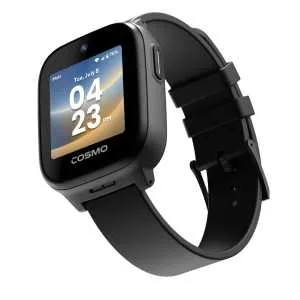
COSMO JrTrack 5 vs Gabb Watch 3e: we compare GPS accuracy, distraction-free design, camera, music, battery, and cost to help you pick the right kids smartwatch.
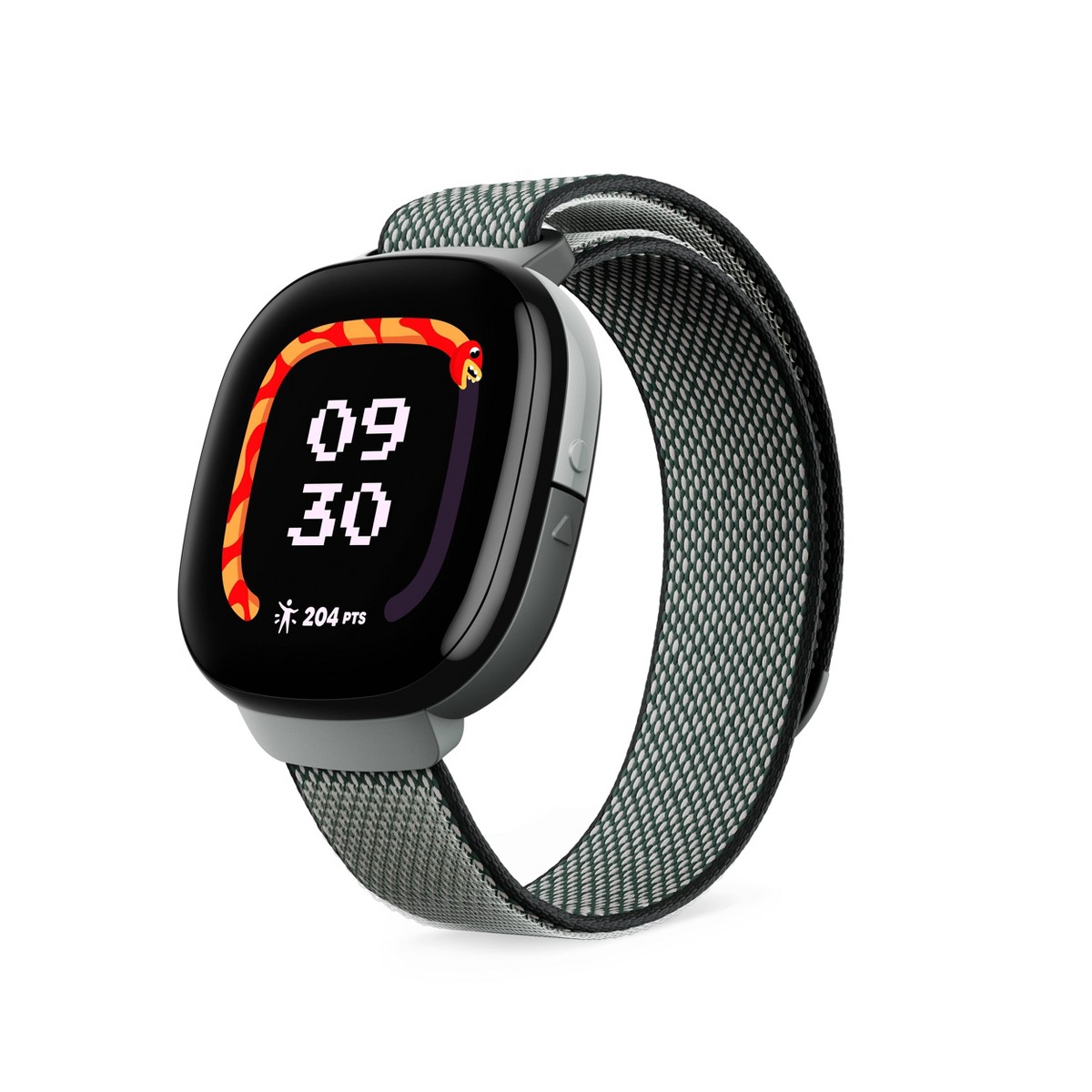
Fitbit Ace LTE vs Gabb Watch 3e: fitness motivation vs distraction-free simplicity. We compare phone compatibility, GPS, battery, and price to help you choose.
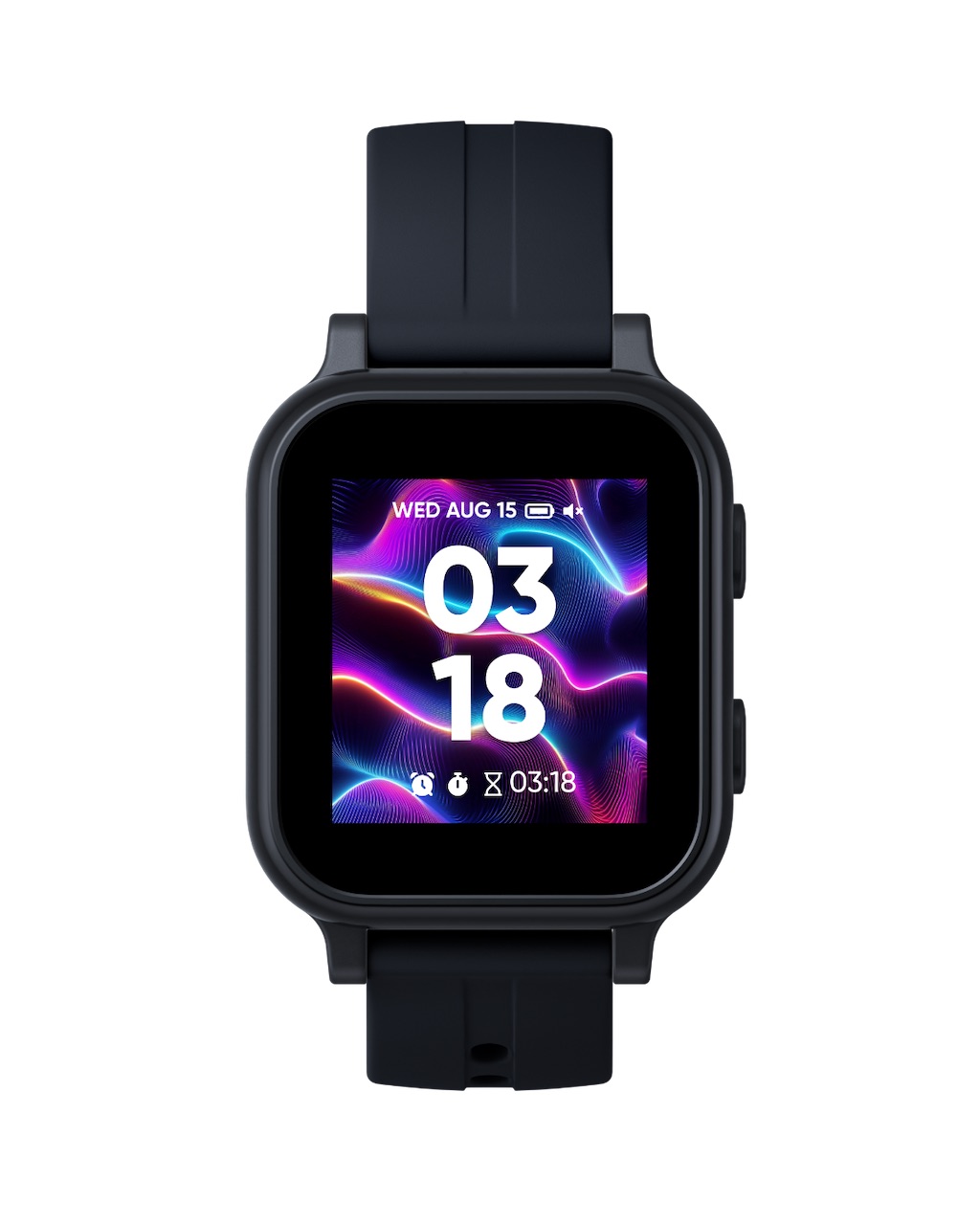
Gizmo Watch 3 vs Gabb Watch 3e: we compare carrier lock-in, camera, battery, distraction-free design, and parental controls to help you pick the right kids watch.
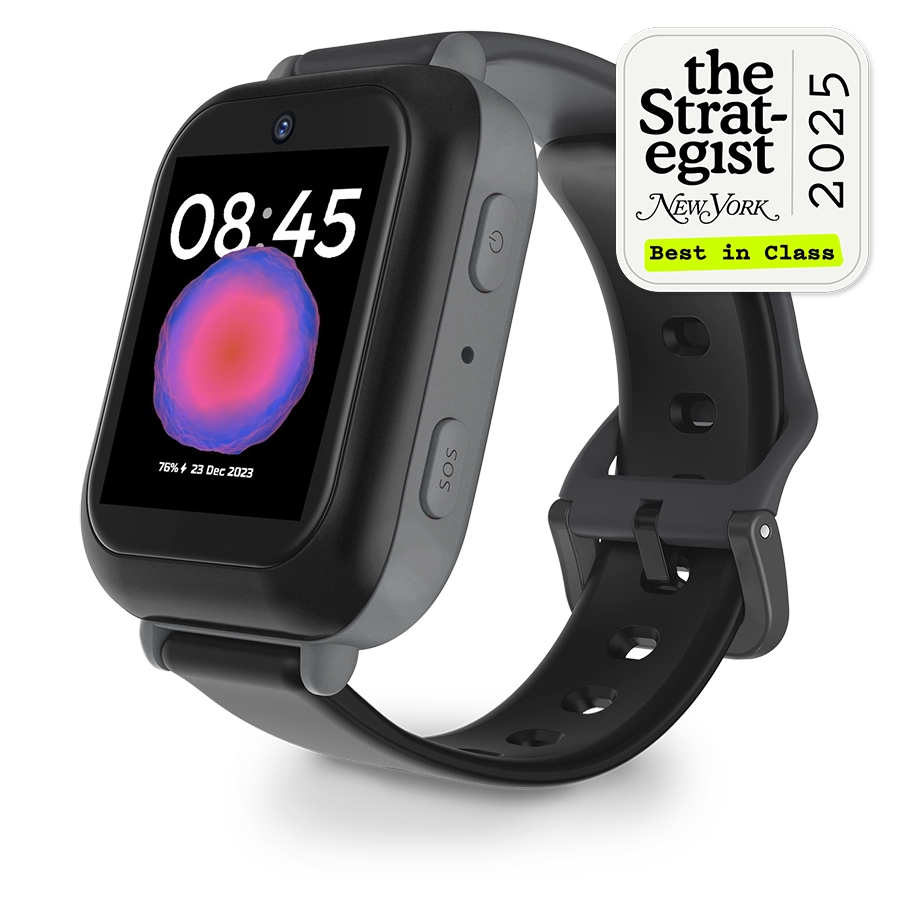
Pinwheel Watch vs Bark Watch: two digital-safety watches with different AI approaches. We compare monitoring, chat, GPS, battery, and cost to help you choose.
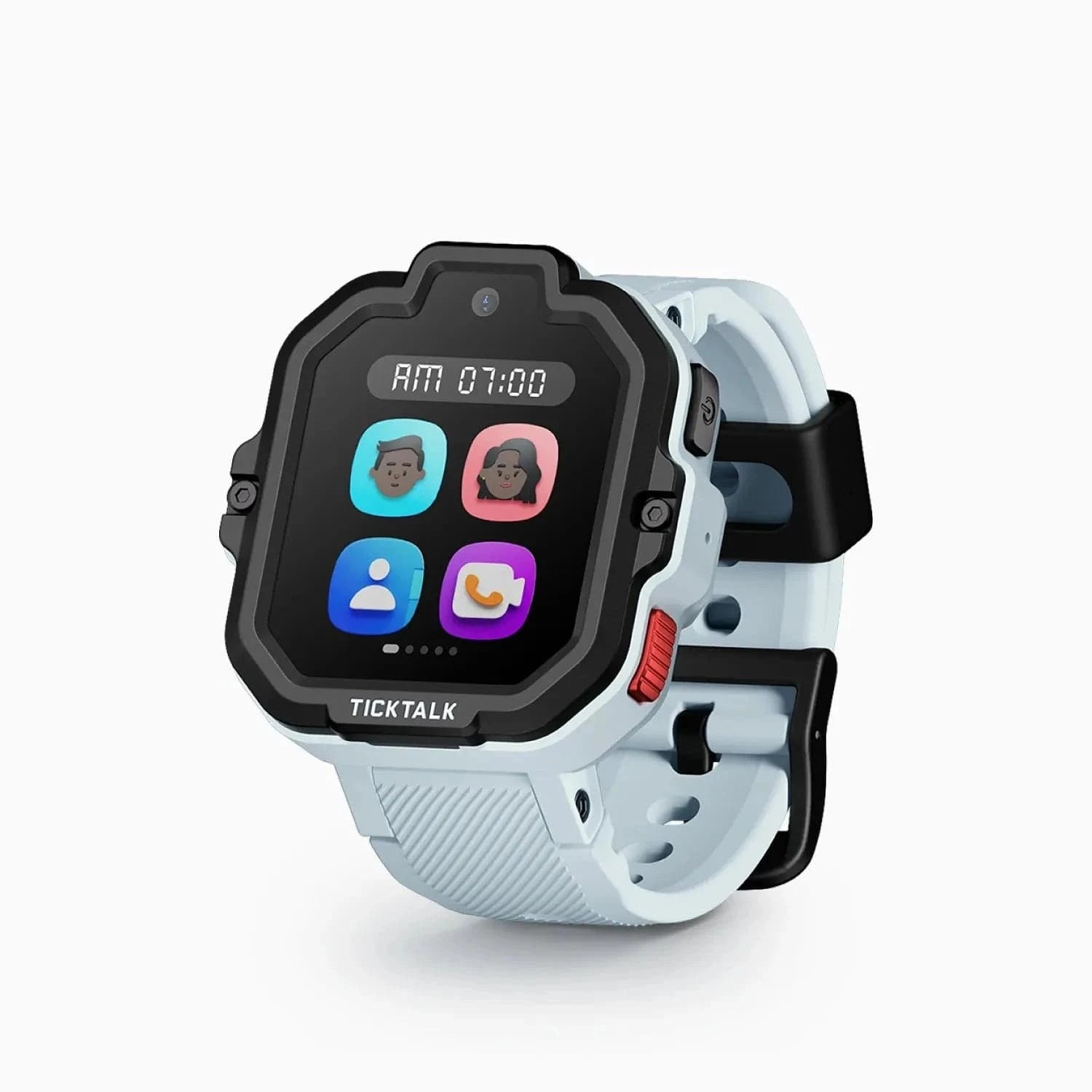
TickTalk 5 vs Gabb Watch 3e: features vs distraction-free. We compare camera, video calling, battery, GPS, and school approval to help you choose.
New review alerts, deal drops, and seasonal buying guides — delivered weekly. No spam, unsubscribe anytime.
No spam. Unsubscribe anytime.